EMBERFIRE GROUP
RESEARCH

Fire is complex.
Our approach connects the scales.

From molecular decomposition to material burning, building fires, and community evacuation, we use experiments and models to investigate fire safety.

01 Wildland–urban interface fires ↓02 Timber & solid fuel pyrolysis ↓03 Human behaviour & evacuation ↓04 Computational fire science ↓05 Urban fire & humanitarian engineering ↓
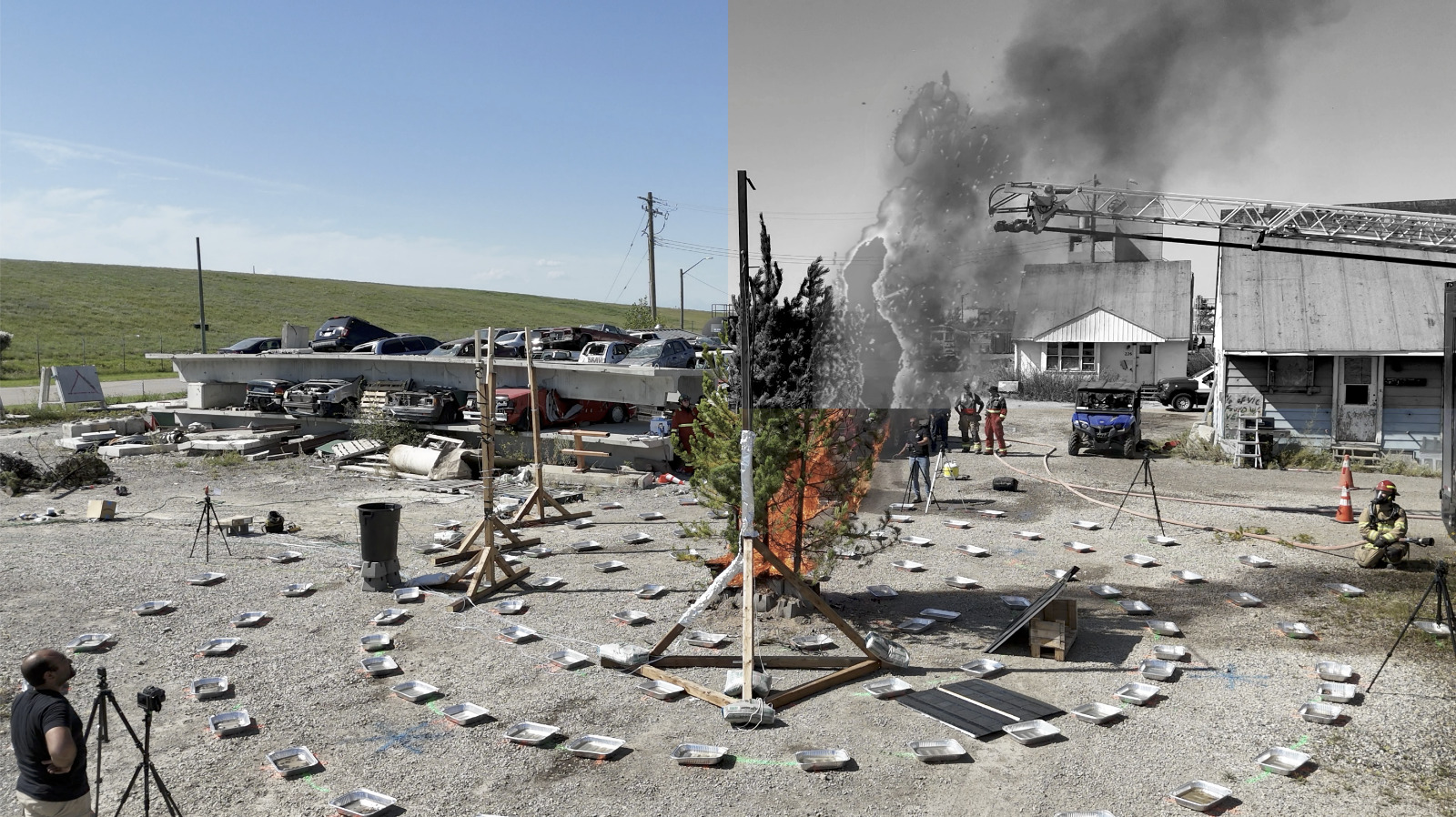
EMBER wildland fire experiment with a burning tree and surrounding collection equipmentEMBER field-scale wildland fire experiment · Calgary Fire Training Centre, 2025.
RESEARCH AREA 01

Wildland–urban interface fires

Our 2025 field experiments at the Calgary Fire Training Centre tracked how embers move from controlled tree burns. Experiments and models connect fire exposure with risk to communities.

Ember transportIgnitionCommunity resilience

Research contact: Mohamed Tawfik

Discuss a collaboration
Close-up photograph of real charred wood textureCharred wood: Shadowmeld Photography / Wikimedia Commons, CC BY-SA 4.0 (cropped).
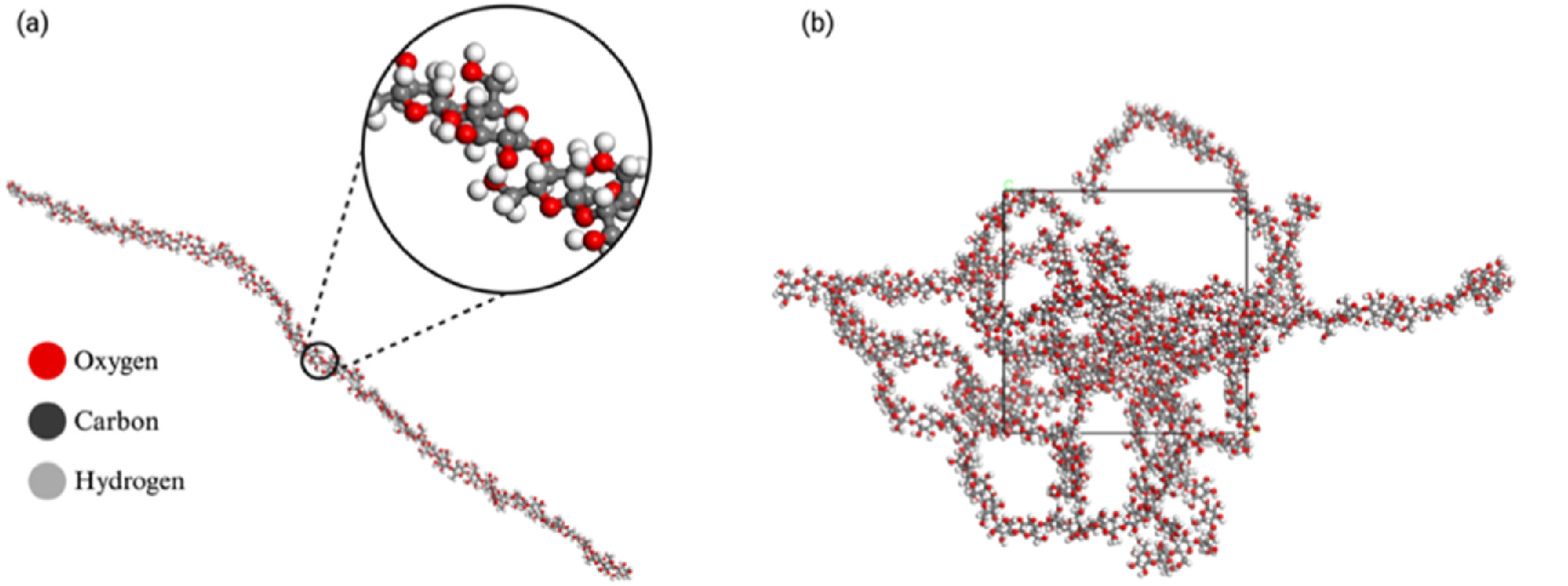
Published atomistic cellulose models: one chain and five entangled chains in a periodic cell
Atomistic cellulose models after relaxation · Fig. 3, Ali, Tawfik & Beshir, Fire Safety Journal (2026).
RESEARCH AREA 02

Timber & solid fuel pyrolysis

Connecting molecular-scale decomposition with charring and compartment fire behaviour to improve predictions for timber construction.

PyrolysisMass timberCompartment fires

Research contact: Ahmed Abdelnabi

Discuss a collaboration
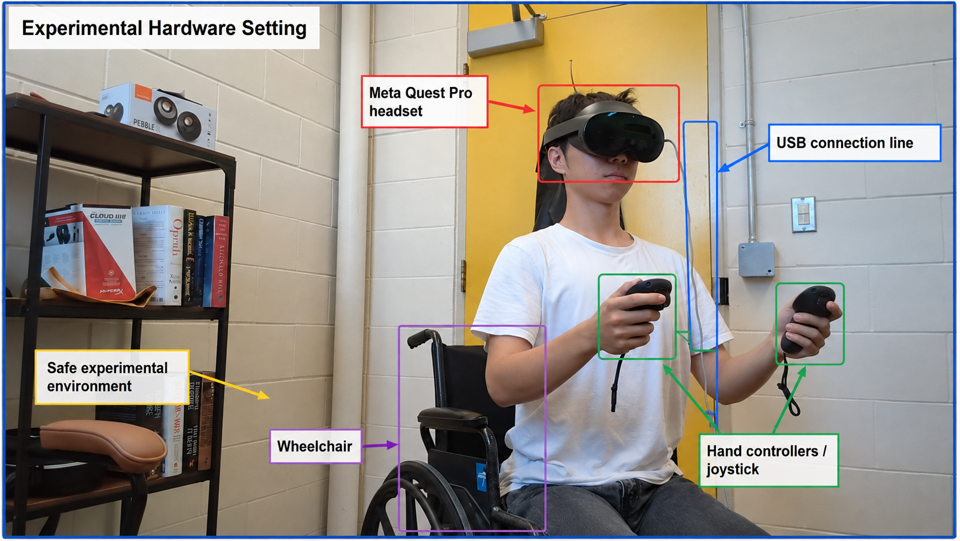
Annotated EMBER experiment showing a seated participant using a Meta Quest Pro headset and controllersEMBER experimental hardware setup · Meta Quest Pro, wheelchair, and hand controllers.
RESEARCH AREA 03

Human behaviour & evacuation

Using virtual reality to investigate evacuation decisions and the challenges faced by people with mobility disabilities.

Virtual realityAccessibilityEgress

Research contact: Jane Gachuche

Discuss a collaboration
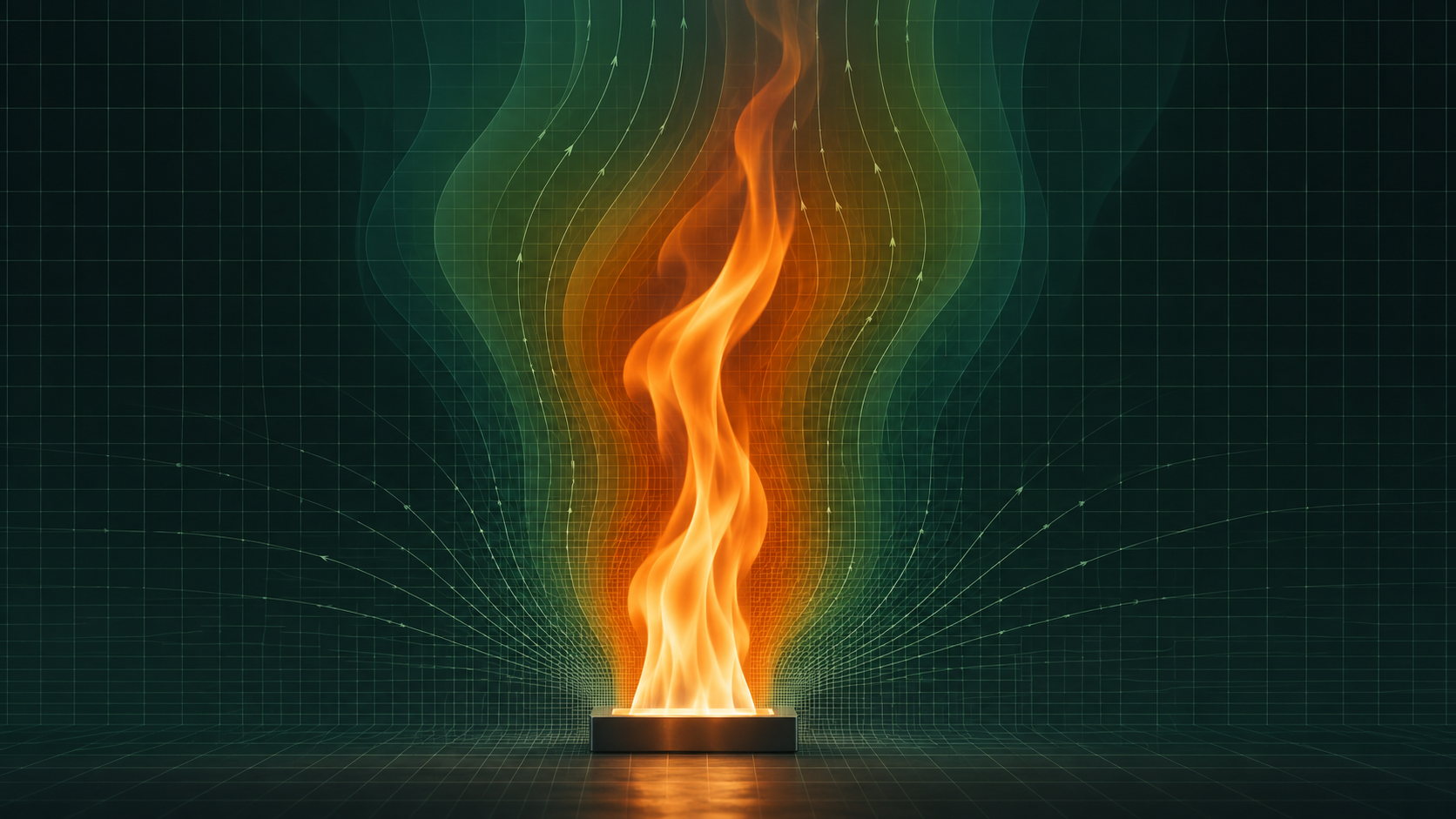
Conceptual illustration of a flame and computational mesh for CFD fire modellingConceptual CFD illustration created for EMBER; not a simulation result.
RESEARCH AREA 04

Computational fire science

Combining computational fluid dynamics, machine learning, and experiments to improve fire prediction and performance-based design.

CFDMachine learningFire dynamics

Research contact: Joseph El Sayegh

Discuss a collaboration
Helena Greco informal settlement in Belo Horizonte, Brazil; photo by Aléxia Saraiva for UN-HabitatHelena Greco, Belo Horizonte. Photo: © Aléxia Saraiva / UN-Habitat.
RESEARCH AREA 05

Urban fire & humanitarian engineering

Studying fire spread in informal settlements and densely built communities to inform practical risk reduction.

Urban fire spreadInformal settlements

Research contact: Mohamed Beshir

Discuss a collaboration
BECOME AN EMBER

Bring your curiosity.
Make a difference.

Interested in graduate research or a collaboration? Let’s explore how we can advance fire safety together.

Explore opportunities